
For kindergarten, first-grade teachers, and pediatric speech-language pathologists (SLPs), few phonics challenges appear as regularly as the confusion between short e (/ɛ/) and short i (/ɪ/).
A student asked to write "He has a pet pig" might write "He has a pit peg." When reading a story about a pin, they might read pen.
Because these two vowel phonemes are produced with nearly identical tongue heights in the front of the oral cavity—and are frequently merged in spoken regional dialects—young readers need explicit, multisensory contrast training to orthographically map the distinction.
Here is a practical, evidence-based framework for teaching short e vs. short i vowel discrimination using articulatory cues, gamified digital practice on Bitsboard, and structured printable worksheets.
The Root Causes: Why /ɛ/ and /ɪ/ Are Hard to Separate
To intervene effectively, educators must understand why children struggle with this pair more than any other vowel combination:
1. Acoustic Proximity
On an acoustic vowel chart (measuring F1 and F2 formant frequencies), /ɛ/ (as in bed) and /ɪ/ (as in bid) sit immediately adjacent to each other. For children with developing phonological processing or mild auditory processing differences, the acoustic difference is almost indistinguishable in continuous speech.
2. The Dialectal "Pin-Pen Merger"
In large regions of the United States (notably the South, Midland, and parts of the West), the vowels /ɪ/ and /ɛ/ merge into /ɪ/ before the nasal consonants /n/ and /m/. In these dialects, pen and pin, ten and tin, and hem and him are pronounced identically. When children from these regions learn to spell, they have no phonological clue to distinguish the written e from i.
3. Visual Letter Similarity
Both lowercase e and i contain short, simple strokes, and both are introduced in rapid succession during early kindergarten curricula.
Physical Cues: Teaching the "Two-Finger vs. One-Finger" Rule
When auditory differentiation alone is insufficient, physical and kinesthetic feedback gives children a reliable anchor.
The Jaw-Drop Test
Have students look in a mirror or place their index fingers horizontally between their front teeth:
- Short E (/ɛ/ as in pen, ten, jet, bed): The jaw drops to a medium position. Students can comfortably fit two fingers (index and middle) stacked horizontally between their teeth. The lips are relaxed.
- Short I (/ɪ/ as in pin, tin, jig, pig): The jaw rises higher. Only one finger fits between the teeth. The corners of the mouth pull slightly back into a subtle, smiling tension.
/ɛ/ (Short E) -> Jaw drops open -> 2 fingers between teeth -> "Ah-eh" open mouth
/ɪ/ (Short I) -> Jaw closes up -> 1 finger between teeth  -> Subtle smile
Tactile Hand-on-Throat Routine
Have students place their palm flat against their neck and say: "e-e-elephant" vs. "i-i-itchy". Notice that /ɛ/ produces a fuller acoustic vibration in the lower throat, while /ɪ/ feels tighter and higher in the upper palate.
High-Contrast Minimal Pair Word List
The most effective way to train discrimination is through minimal pairs—words that differ by only the target vowel phoneme:
| Short E (/ɛ/) | Short I (/ɪ/) | Visual Referent |
|---|---|---|
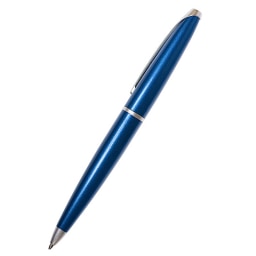
| pen | pin | writing tool vs. sharp sewing pin |
| ten | tin | number 10 vs. metal soup can |
| jet | jig | airplane vs. lively dance / puzzle piece |
| bed | pig | sleeping furniture vs. farm animal anchor |
By using concrete, real-life photographs for each item, students immediately connect the phonetic difference to a concrete semantic meaning.
10-Minute Daily Instruction Cycle
Combine interactive technology with pencil-and-paper application for maximum retention:
Step 1: Mirror Articulation Warm-Up (2 Minutes)
Hand each child a small mirror. Model pronouncing pen and pin slowly. Have them observe the difference in jaw height and lip posture. Repeat with ten and tin.
Step 2: Interactive Bitsboard Audio Practice (3 Minutes)
Open the CVC short e i review games on Bitsboard:
- Photo Touch: The app speaks the target word (e.g., "Find ten"), and the student must choose between the photo of 10 and a tin can.
- Letter Match: The app displays the picture of a pen with the word
p _ n. The child drags the letter e or i into the slot. Instant auditory feedback confirms correct phoneme placement.
Step 3: Sound-Tapping & Hand Gestures (2 Minutes)
Say a mystery word aloud ("jet"). Have children tap three fingers on their desk (/j/ - /ɛ/ - /t/). Before speaking the word, they signal whether it was a "two-finger drop" (e) or a "one-finger smile" (i).
Step 4: Printable Workbook Transfer (3 Minutes)
Transition to the free CVC short e i review worksheet:
- Complete the Draw and Match lines connecting pictures directly to the printed words.
- Trace and write the target minimal pairs to cement the motor memory of writing lowercase e vs. i.
Summary & Next Steps
Targeting short e and short i through explicit articulatory cues, gamified auditory feedback, and printer-friendly worksheets helps young readers move past guessing into confident, automatic decoding.
- Play the interactive games: CVC short e i review interactive phonics
- Download the free PDF: CVC short e i review 4-page worksheet pack
- Explore the complete phonics library: Bitsboard Phonics Hub