
CVC short a e u review
Review CVC short a, short e, and short u words like bat, bed, bug, hat, hen, and hug with interactive games and a printable worksheet.
Lesson at a glance
Skill
Compare short a, short e, and short u in CVC words
Pattern
mixed consonant-vowel-consonant
Level
Preschool, kindergarten, and grade 1
Practice time
5-10 minutes
The CVC short a e u review lesson provides early readers with explicit, multisensory practice contrasting three essential short vowel sounds: short a (/æ/), short e (/e/), and short u (/ʌ/).
By contrasting matching-onset sets like bat/bed/bug and hat/hen/hug, students can no longer rely on initial consonant guessing. They must look directly at the center letter and link it to the correct vocal tract posture.
Teaching Guidance: Articulatory Kinesthetic Anchors
Vowels differ primarily in mouth openness and tongue elevation. Use these tactile cues:
- Short A (/æ/ in bat, hat): Low-front vowel. The jaw drops deeply downward while the tongue rests flat and forward against the lower incisors ("wide open alligator apple").
- Short E (/e/ in bed, hen): Mid-front vowel. The jaw stays half-open, while the tongue edges rise toward the upper molars like a flat table ("table tongue edge /e/").
- Short U (/ʌ/ in bug, hug): Mid-central neutral vowel. The lips and jaw relax completely into a neutral resting posture with an easy, quiet sigh ("relaxed sigh /ʌ/").
Common Mistakes to Watch For
- Substituting Short E for Short A: Because /æ/ and /e/ are phonetically adjacent, emerging decoders often read "bed" as "bad" or "hat" as "het". Have learners place two fingers under their chin to verify whether their jaw drops down fully (short a) or stays mid-high (short e).
- Defaulting to Short U: Novice decoders who feel uncertain about an interior vowel often default to a neutral schwa-like /ʌ/, reading "bed" as "bud" or "hen" as "hun". Direct their attention to feeling tongue tension on short e versus total relaxation on short u.
- Whole-Word Guessing: When seeing b_g, children may guess "big" or "bag" instead of reading bug. Enforce continuous blending: slide a finger under each letter sound-by-sound before speaking the full word.
5-Minute Daily Classroom Routine
- Minute 1: Articulatory Mirror Check: Have students look in handheld mirrors and say /æ/, /e/, and /ʌ/, observing the shift from wide jaw drop to mid-open smile to completely neutral lips.
- Minute 2: Interactive Flashcards: Practice the 6 target words (bat, bed, bug, hat, hen, hug) using Bitsboard digital cards with target-sound highlighting.
- Minute 3: Audio Discrimination Game: Play Photo Touch or Pop Quiz. Students hear a word (e.g., "hen") and touch the matching photo among the contrast options.
- Minutes 4–5: Printable Worksheet Practice: Complete the Trace and Write or Draw and Match page from the printable CVC short a e u review worksheet pack.
Short A, Short E, And Short U Word List
Use these words across the games and printable worksheet so learners repeat the same sound pattern in multiple ways.
| Word | Target sound | Practice cue |
|---|---|---|
| bat | a | Say bat, stretch the sounds, then read the whole word. |
| bed | e | Say bed, stretch the sounds, then read the whole word. |
| bug | u | Say bug, stretch the sounds, then read the whole word. |
| hat | a | Say hat, stretch the sounds, then read the whole word. |
| hen | e | Say hen, stretch the sounds, then read the whole word. |
| hug | u | Say hug, stretch the sounds, then read the whole word. |
Interactive phonics games
Play through the same practice words with picture cards, photo matching, quiz questions, and missing-letter practice.
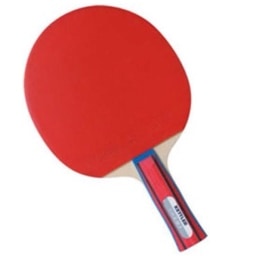
bat
Tap card to see the picture again.
Common questions
Why are short a, short e, and short u frequently confused?
Short a (/æ/) and short e (/e/) are neighboring front lax vowels produced with very small differences in jaw opening, while short u (/ʌ/) is a central lax vowel that struggling readers frequently substitute for short e. Practicing them together teaches children to pay close attention to mouth openness and tongue posture.
How can children physically feel the difference between short a, short e, and short u?
Use the "Chin Drop, Table Tongue, and Relaxed Sigh" check. For short a (bat, hat), the jaw drops wide open. For short e (bed, hen), the jaw stays mid-high while the tongue arches flat like a table top. For short u (bug, hug), the jaw and lips relax into a neutral resting posture with a gentle sigh (/ʌ/).
What word sets are featured in this review lesson?
This lesson features two matching-onset contrast sets—bat/bed/bug and hat/hen/hug—paired with real photographs to eliminate beginning-letter guessing and focus attention directly on the medial vowel.
Is the matching printable worksheet free?
Yes, the 4-page PDF worksheet pack is completely free and contains picture word cards, missing-vowel letter matching, handwriting trace-and-write lines, and roll-and-read dice fluency drills.
Start Learning with Bitsboard
Unlock over 30 interactive mini-games, thousands of pre-made learning boards, and the power to fully customize your own lessons. Perfect for toddlers, students, educators, and speech therapists!
Download on the
App Store