CVC short a i review
Master CVC short a and short i minimal pairs like bag, big, pan, pin, fan, fin, tap, and tip with interactive phonics games and a printable worksheet pack.
Lesson at a glance
Skill
Compare and contrast short a and short i in CVC words
Pattern
mixed consonant-vowel-consonant
Level
Preschool, kindergarten, and grade 1
Practice time
5-10 minutes
The CVC short a and short i review teaches children to discriminate between two adjacent front vowels: short a (/æ/) and short i (/ɪ/). While adult listeners distinguish these sounds effortlessly, emerging readers frequently swap them because both vowels share an unrounded lip shape and a front-tongue articulation.
When young learners guess words by looking only at the outer consonants, reading errors become common. A child reading a simple sentence might decode "The dog is big" as "The dog is bag," or confuse pan and pin during spelling dictation. Explicit contrast drills using minimal pairs break this habit by forcing learners to focus squarely on the medial vowel.
By combining real photographic flashcards, vowel-highlighted interactive games, and a free 4-page printable worksheet pack, this unit anchors phonemic awareness, kinesthetic mouth positioning, and orthographic mapping.
How to Teach Short A vs. Short I Discrimination
Effective phonics instruction connects auditory listening, articulatory mouth sensations, and visual letter symbols. Follow this structured five-step routine:
- Auditory Minimal Pair Call: Say pan and pin with exaggerated clarity. Ask students: "Did you hear the wide open /æ/ sound or the smiling /ɪ/ sound?"
- The Chin-Drop vs. Gentle Smile Check: Have children place their palm lightly under their jaw. When pronouncing bag, their chin pushes firmly against their hand. When pronouncing big, the jaw barely moves and the corners of the lips stretch into a gentle smile.
- Sound-Tap and Segment: Segment each word sound-by-sound on fingers: /b/ - /æ/ - /g/ -> bag; /b/ - /ɪ/ - /g/ -> big. Emphasize the distinct vowel in the middle position.
- Color-Coded Medial Highlighting: Direct attention to the red highlighted vowel letters (a vs. i) on each flashcard. Remind students: "Look right into the center of the word before saying it out loud."
- Photographic Meaning Verification: Pair each decoded word with its photographic image (bag, big, fan, fin) so students immediately verify that altering the medial vowel changes the word's entire meaning.
Common Short A and Short I Decoding Challenges
- Consonant-Frame Over-Reliance: Because pairs like tap/tip and fan/fin share identical beginning and ending consonants, hurried decoders often glance at the first letter and make a quick guess. Requiring students to tap and name the middle vowel sound eliminates this error.
- Dialectal and Multilingual Influence: In Spanish and several other primary languages, the /æ/ phoneme does not exist; non-native English speakers routinely map /æ/ directly onto /e/ or /i/. Tactile mouth cues—specifically pointing out the wide chin drop for short a—provide concrete feedback that auditory listening alone cannot.
- Nasal Vowel Distortion: In words ending in nasal consonants like pan and pin or fan and fin, the vowel naturally raises slightly before the /n/. Explicitly comparing pan vs. pin trains children to hear the contrast even in nasalized environments.
Five-Minute Lesson Routine for Small Groups or Centers
- Minute 1: Spoken Minimal Pair Warm-Up: Practice choral call-and-response with the four target pairs (bag/big, pan/pin, fan/fin, tap/tip).
- Minutes 2–3: Interactive Digital Practice: Launch Photo Touch or Pop Quiz on Bitsboard to test rapid visual and auditory vowel recognition.
- Minutes 4–5: Pencil-and-Paper Reinforcement: Complete the Trace and Write or Draw and Match page from the printable CVC short a i review worksheet pack.
Short A And Short I Word List
Use these words across the games and printable worksheet so learners repeat the same sound pattern in multiple ways.
| Word | Target sound | Practice cue |
|---|---|---|
| bag | a | Say bag, stretch the sounds, then read the whole word. |
| big | i | Say big, stretch the sounds, then read the whole word. |
| pan | a | Say pan, stretch the sounds, then read the whole word. |
| pin | i | Say pin, stretch the sounds, then read the whole word. |
| fan | a | Say fan, stretch the sounds, then read the whole word. |
| fin | i | Say fin, stretch the sounds, then read the whole word. |
| tap | a | Say tap, stretch the sounds, then read the whole word. |
| tip | i | Say tip, stretch the sounds, then read the whole word. |
Interactive phonics games
Play through the same practice words with picture cards, photo matching, quiz questions, and missing-letter practice.
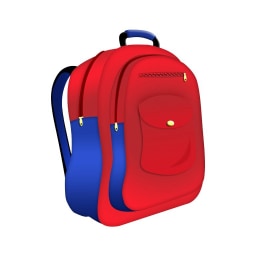
bag
Tap card to see the picture again.
Common questions
Why do early readers confuse short a and short i?
Both short a (/æ/) and short i (/ɪ/) are front vowels produced with an unrounded mouth. However, short a requires a wide low jaw drop, whereas short i requires a higher tongue position and closed teeth. Children who glance quickly at outer consonants or rely on acoustic approximation often substitute them in minimal pairs like bag/big, pan/pin, fan/fin, and tap/tip.
How can children physically feel the difference between short a and short i?
Use the "Chin-Drop vs. Gentle Smile Check." For short a (/æ/ as in bag, pan, fan, tap), placing a hand beneath the chin reveals a significant downward jaw drop. For short i (/ɪ/ as in big, pin, fin, tip), the jaw barely moves and the corners of the lips pull back into a small, relaxed smile.
What minimal pairs are practiced in this review lesson?
This unit focuses on four classic, high-contrast CVC minimal pairs—bag vs. big, pan vs. pin, fan vs. fin, and tap vs. tip—paired with vivid photographic illustrations.
Is the matching printable worksheet free?
Yes, the 4-page PDF worksheet pack is 100% free and includes cut-apart picture cards, letter-fill vowel discrimination, handwriting tracing lines, and drawing matching lines.
Start Learning with Bitsboard
Unlock over 30 interactive mini-games, thousands of pre-made learning boards, and the power to fully customize your own lessons. Perfect for toddlers, students, educators, and speech therapists!
Download on the
App Store