CVC short a e o review
Review CVC short a, short e, and short o words like pan, pen, pot, tap, ten, and top with interactive games and a printable worksheet.
Lesson at a glance
Skill
Compare short a, short e, and short o in CVC words
Pattern
mixed consonant-vowel-consonant
Level
Preschool, kindergarten, and grade 1
Practice time
5-10 minutes
The CVC short a e o review lesson guides early readers through explicit practice contrasting three pivotal short vowel phonemes: short a (/æ/), short e (/e/), and short o (/ɒ/).
By grouping words into matching-onset triplets—such as pan, pen, and pot alongside tap, ten, and top—this lesson trains children to look directly at the medial letter rather than impulsively guessing from the initial consonant sound.
Teaching Guidance: Physical Mouth Mechanics
Because vowels are produced without obstruction in the vocal tract, children rely on jaw opening, tongue height, and lip formation to perceive differences:
- Short A (/æ/ in pan, tap): Low-front vowel. The jaw drops deeply downward into a wide vertical opening ("wide open alligator apple").
- Short E (/e/ in pen, ten): Mid-front vowel. The jaw stays half-open, while the tongue edges rise gently toward the upper back teeth ("table tongue edge /e/").
- Short O (/ɒ/ in pot, top): Low-back vowel. The jaw opens downward into a rounded, hollow oral cavity ("open wide doctor ah").
Common Mistakes to Watch For
- Confusing /æ/ and /e/ in Nasal Contexts: In English, vowels before /n/ (like in pan and pen) are naturally nasalized, which can make the distinction subtle for emerging decoders. Use non-nasal contrasts like tap vs. top alongside pan vs. pot to highlight clean mouth cues.
- Impulsive Consonant-Shell Guessing: Seeing the p_t or t_p shell, impatient decoders often guess whichever word is top-of-mind. Teach children to place their index finger directly on the vowel before saying the word.
- Over-Generalizing Short O: Children who struggle with front vowel contrasts sometimes substitute short o as a default open vowel. Point out the difference between the flat tongue of short a and the rounded hollow of short o.
5-Minute Daily Classroom Routine
- Minute 1: Articulatory Warm-Up: Practice /æ/, /e/, and /ɒ/ in handheld mirrors, noticing the mouth shape moving from wide open (a) to mid-smile (e) to round oval (o).
- Minute 2: Interactive Flashcards: Review the 6 curated words (pan, pen, pot, tap, ten, top) using Bitsboard digital cards with target-sound highlighting.
- Minute 3: Audio Discrimination Game: Play Photo Touch or Pop Quiz. Students hear a word (e.g., "pot") and identify the correct photo among the contrast options.
- Minutes 4–5: Printable Worksheet Practice: Complete the Trace and Write or Draw and Match page from the printable CVC short a e o review worksheet pack.
Short A, Short E, And Short O Word List
Use these words across the games and printable worksheet so learners repeat the same sound pattern in multiple ways.
| Word | Target sound | Practice cue |
|---|---|---|
| pan | a | Say pan, stretch the sounds, then read the whole word. |
| pen | e | Say pen, stretch the sounds, then read the whole word. |
| pot | o | Say pot, stretch the sounds, then read the whole word. |
| tap | a | Say tap, stretch the sounds, then read the whole word. |
| ten | e | Say ten, stretch the sounds, then read the whole word. |
| top | o | Say top, stretch the sounds, then read the whole word. |
Interactive phonics games
Play through the same practice words with picture cards, photo matching, quiz questions, and missing-letter practice.
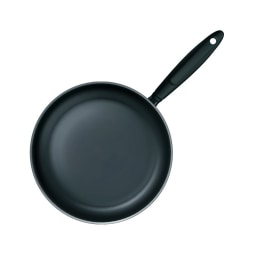
pan
Tap card to see the picture again.
Common questions
Why is contrasting short a, short e, and short o critical for early reading?
Short a (/æ/), short e (/e/), and short o (/ɒ/) represent the primary lax vowel contrasts across front and back vocal positions. When decodable words share identical onset consonants (like pan, pen, and pot), early readers cannot rely on initial sound guessing and must decode through the medial vowel.
How can children physically feel the difference between short a, short e, and short o?
Use the "Chin Drop, Table Smile, and Open Oval" kinesthetic checks. For short a (pan, tap), the jaw drops wide open. For short e (pen, ten), the jaw stays half-open while the sides of the tongue rise toward the upper molars. For short o (pot, top), the mouth shapes into an open rounded circle like saying "ah" at the doctor's office.
What word sets are included in this review lesson?
This lesson features two matching-onset contrast sets—pan/pen/pot and tap/ten/top—paired with clear photographic flashcards to eliminate guessing and build rock-solid phoneme-grapheme mapping.
Is the matching printable worksheet pack free?
Yes, the 4-page PDF worksheet pack is completely free and contains picture word cards, missing-vowel letter matching, handwriting trace-and-write lines, and roll-and-read dice fluency drills.
Start Learning with Bitsboard
Unlock over 30 interactive mini-games, thousands of pre-made learning boards, and the power to fully customize your own lessons. Perfect for toddlers, students, educators, and speech therapists!
Download on the
App Store