CVC short a i o review
Review CVC short a, short i, and short o words like tap, tip, top, pan, pin, and pot with interactive games and a printable worksheet.
Lesson at a glance
Skill
Compare short a, short i, and short o in CVC words
Pattern
mixed consonant-vowel-consonant
Level
Preschool, kindergarten, and grade 1
Practice time
5-10 minutes
The CVC short a i o review lesson guides early decoders through targeted practice contrasting three critical short vowel sounds: short a (/æ/), short i (/ɪ/), and short o (/ɒ/).
By utilizing minimal contrast triplets with identical beginning and ending consonants—such as tap, tip, and top—students learn to look directly at the medial vowel letter rather than impulsively guessing from initial sounds.
Teaching Guidance: Mouth Posture Contrasts
Vowels are shaped entirely by jaw opening, tongue height, and lip formation. Provide students with concrete physical cues:
- Short A (/æ/ in tap, pan): Drop the jaw straight down. Have students place their hand under their chin and feel the chin drop into a wide, open mouth posture.
- Short I (/ɪ/ in tip, pin): Keep the teeth slightly closer together in a soft, relaxed horizontal smile. The tongue rises forward toward the roof of the mouth.
- Short O (/ɒ/ in top, pot): Form an open, rounded oval mouth opening. Ask students to make the sound they make when opening wide for a doctor's throat check ("ah").
Common Mistakes to Watch For
- Beginning-Letter Guessing: When seeing the t_p consonant shell, impulsive decoders often say whichever word comes to mind first. Always instruct learners to place their pointer finger right on the center letter before reading aloud.
- Auditory Confusion Between /æ/ and /ɒ/: In many North American dialects, short a and short o can sound closer if nasalized. Contrast non-nasal minimal pairs like tap vs. top before practicing nasalized sets like pan vs. pot.
- Substituting /ɪ/ for /æ/: Ensure learners feel the distinct horizontal smile of tip versus the vertical jaw drop of tap.
5-Minute Daily Classroom Routine
- Minute 1: Kinesthetic Sound Warm-Up: Call out /æ/, /ɪ/, and /ɒ/. Students mirror the mouth postures: wide chin drop (a), gentle smile (i), and open circle (o).
- Minute 2: Interactive Flashcards: Review the 6 core vocabulary words (tap, tip, top, pan, pin, pot) using Bitsboard digital cards with target vowel sound highlighting.
- Minute 3: Discrimination Game: Launch Photo Touch or Pop Quiz. Say a prompt word (e.g., "Find the word with the open oval sound: top") and have students select the matching photo.
- Minutes 4–5: Printable Worksheet Practice: Complete the Trace and Write or Draw and Match page from the printable CVC short a i o review worksheet pack.
Short A, Short I, And Short O Word List
Use these words across the games and printable worksheet so learners repeat the same sound pattern in multiple ways.
| Word | Target sound | Practice cue |
|---|---|---|
| tap | a | Say tap, stretch the sounds, then read the whole word. |
| tip | i | Say tip, stretch the sounds, then read the whole word. |
| top | o | Say top, stretch the sounds, then read the whole word. |
| pan | a | Say pan, stretch the sounds, then read the whole word. |
| pin | i | Say pin, stretch the sounds, then read the whole word. |
| pot | o | Say pot, stretch the sounds, then read the whole word. |
Interactive phonics games
Play through the same practice words with picture cards, photo matching, quiz questions, and missing-letter practice.
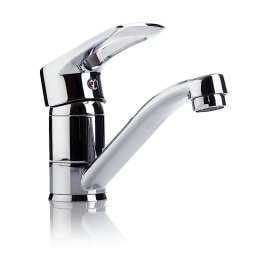
tap
Tap card to see the picture again.
Common questions
Why do early readers confuse short a, short i, and short o?
Short a (/æ/), short i (/ɪ/), and short o (/ɒ/) differ subtly in mouth opening and tongue placement. When words share identical boundary consonants (like tap, tip, and top), young decoders often look only at the first and last letters and guess rather than analyzing the medial vowel.
How can learners kinesthetically tell apart short a, short i, and short o?
Teach explicit mouth postures. Short a (/æ/) requires a wide vertical jaw drop. Short i (/ɪ/) uses a gentle horizontal smile with the tongue arching forward. Short o (/ɒ/) needs an open, rounded mouth shape like checking throat tonsils at the doctor's office.
What word sets are featured in this review?
This lesson features the exact minimal triplet tap/tip/top alongside the matching-onset set pan/pin/pot. Both sets keep boundary consonants stable so children focus 100% of their decoding attention on the medial vowel.
Is the matching printable worksheet pack free?
Yes, the 4-page PDF workbook is completely free and contains flashcards, vowel-matching puzzles, handwriting trace lines, and picture drawing activities.
Start Learning with Bitsboard
Unlock over 30 interactive mini-games, thousands of pre-made learning boards, and the power to fully customize your own lessons. Perfect for toddlers, students, educators, and speech therapists!
Download on the
App Store