
CVC short a o review
Practice and contrast CVC short a and short o words like cap, cop, map, mop, tap, top, cat, and pot with interactive phonics games and a printable worksheet.
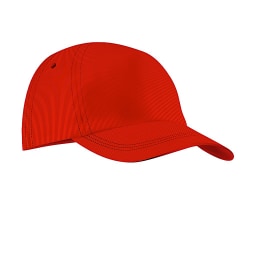
Lesson at a glance
Skill
Compare and contrast short a and short o in CVC words
Pattern
mixed consonant-vowel-consonant
Level
Preschool, kindergarten, and grade 1
Practice time
5-10 minutes
The CVC short a and short o review is designed to build sharp vowel discrimination through paired minimal contrasts. By comparing words that share the exact same beginning and ending consonants—such as cap vs. cop, map vs. mop, and tap vs. top—young readers are required to attend carefully to the medial vowel sound rather than guessing based on outer letters.
This lesson combines concrete photo flashcards, target-sound highlighting, interactive games with auditory feedback, and a comprehensive 4-page printable worksheet pack to support classroom teachers, speech-language pathologists, and parents.
Why minimal pair vowel discrimination matters
When children learn single word families (like -at or -op), they can often read words quickly because the vowel is fixed. However, true decodable automaticity happens when students encounter mixed vowel lists:
- Prevents First-Letter Guessing: Seeing cap immediately followed by cop forces the child to decode the entire word from left to right.
- Sharpens Phonemic Awareness: Hearing the difference between the front vowel short a (/æ/) and the back-open vowel short o (/ɑ/ or /ɒ/) trains auditory discrimination.
- Connects Sound to Meaning: Demonstrates how changing a single vowel phoneme completely transforms the word's meaning and real-world referent.
Articulatory cues for short a vs. short o
Use physical mouth cues to make the acoustic contrast concrete:
- Short a (/æ/ as in cap, map, tap, cat): The mouth is open and the jaw drops, but the lips pull slightly back into a wide, flat shape (the "smiling open vowel").
- Short o (/ɑ/ or /ɒ/ as in cop, mop, top, pot): The jaw drops open, but the lips remain neutral or slightly rounded (the "doctor checkup vowel").
Having students touch their jaw and feel the shape of their lips while alternating between cap and cop provides powerful tactile-kinesthetic feedback.
Five-step classroom teaching routine
- Visual Contrast Warm-up: Display paired flashcards side-by-side (map and mop). Have students point to the highlighted red vowel in each word.
- Mirror Articulation: Have students look in hand mirrors while pronouncing each pair slowly, noticing the shift in lip shape from flat to round.
- Sound-Tapping: Segment each word into three phonemes (/k/ - /æ/ - /p/ vs. /k/ - /ɒ/ - /p/) using finger taps.
- Interactive Digital Practice: Play Photo Touch and Pop Quiz on Bitsboard to test rapid auditory-to-visual matching.
- Pencil-and-Paper Transfer: Complete the Letter Match and Trace and Write pages in the downloadable 4-page worksheet pack.
Common student errors to address
- Rushing through the middle sound: Students who glance quickly may read cop as cap. Direct their focus to the center letter and ask: "What vowel do you see? What sound does it make?"
- Over-generalizing vowel length: Ensure students clip the vowels cleanly rather than dragging them into diphthongs.
- Blending hesitation: If a student struggles to blend after changing vowels, blend the rime first (-ap vs. -op), then add the initial consonant (c-ap, c-op).
Five-minute lesson plan for centers or home practice
- Minute 1: Minimal Pair Warm-up: Introduce the 3 minimal pairs (cap/cop, map/mop, tap/top) and 2 review words (cat, pot) with audio flashcards.
- Minutes 2–3: Gamified Discrimination: Play Letter Match to fill in the missing vowel (a vs. o) for each picture card.
- Minutes 4–5: Workbook Application: Complete one page of the printable CVC Short A & O Worksheet, such as the Draw and Match or Trace and Write exercise.
Short A And Short O Word List
Use these words across the games and printable worksheet so learners repeat the same sound pattern in multiple ways.
| Word | Target sound | Practice cue |
|---|---|---|
| cap | a | Say cap, stretch the sounds, then read the whole word. |
| cop | o | Say cop, stretch the sounds, then read the whole word. |
| map | a | Say map, stretch the sounds, then read the whole word. |
| mop | o | Say mop, stretch the sounds, then read the whole word. |
| tap | a | Say tap, stretch the sounds, then read the whole word. |
| top | o | Say top, stretch the sounds, then read the whole word. |
| cat | a | Say cat, stretch the sounds, then read the whole word. |
| pot | o | Say pot, stretch the sounds, then read the whole word. |
Interactive phonics games
Play through the same practice words with picture cards, photo matching, quiz questions, and missing-letter practice.
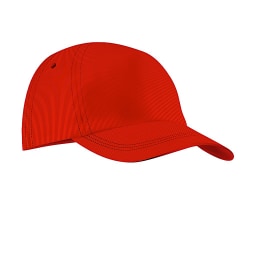
cap
Tap card to see the picture again.
Common questions
What are CVC short a and short o minimal pairs?
Minimal pairs are words that differ by only a single vowel sound, such as cap and cop, map and mop, or tap and top. Practicing minimal pairs trains children to listen closely to the vowel sound rather than guessing from the first and last letters.
How do you contrast short a and short o sounds?
Model the articulatory differences using a mirror. Short a (/æ/) requires an open mouth with widened lips (a flat, smiling shape), whereas short o (/ɒ/ or /ɑ/) requires an open mouth with relaxed, rounded lips.
What activities are included in this review?
This lesson features interactive digital flashcards with audio cues, photo touch listening challenges, pop quizzes, vowel-filling letter match games, and a 4-page downloadable PDF worksheet pack.
Is the printable worksheet free to download?
Yes, you can download the complete 4-page PDF worksheet containing picture word cards, missing letter practice, handwriting lines, and line matching activities.
Start Learning with Bitsboard
Unlock over 30 interactive mini-games, thousands of pre-made learning boards, and the power to fully customize your own lessons. Perfect for toddlers, students, educators, and speech therapists!
Download on the
App Store