
CVC short a o u review
Review CVC short a, short o, and short u words like cap, cop, cub, map, mop, and mug with interactive games and a printable worksheet.
Lesson at a glance
Skill
Compare short a, short o, and short u in CVC words
Pattern
mixed consonant-vowel-consonant
Level
Preschool, kindergarten, and grade 1
Practice time
5-10 minutes
The CVC short a, short o, and short u review provides systematic discrimination practice across the three primary open and central/back vowels in early English decoding: short a (/æ/), short o (/ɒ/), and short u (/ʌ/).
While front vowels like short e and i present tongue-height distinctions, the contrast among short a, o, and u centers around jaw openness, lip rounding, and tongue retraction. Because all three vowels share a relatively open vocal tract, young readers frequently confuse them in rapid print processing. A child seeing cop might read "cap" or "cup," and a child reading mop might substitute "map" or "mug."
By grouping words into structured matching-onset triplets—cap vs. cop vs. cub, and map vs. mop vs. mug—this lesson prevents first-letter guessing habits. Students must look through the entire word, verify the medial vowel symbol, and match it to its articulatory mouth posture before blending.
Integrating real photographic cards, vowel-highlighted interactive online games, and a free 4-page printable worksheet workbook, this unit provides structured phonics intervention for classrooms, reading clinics, and home practice.
How to Teach Short A, O, and U Contrast
Explicit multisensory instruction pairing articulatory feedback with visual highlighting helps students build stable orthographic maps:
- Acoustic Comparison: Say cap, cop, and cub clearly. Ask students: "Which word has the wide-open /æ/ sound, which has the round-mouth /ɒ/ sound, and which has the relaxed 'uh' /ʌ/ sound?"
- The "Chin-Drop, Oval O, and Gentle Sigh" Check:
- For short a (/æ/ as in cap, map): Place two fingers under the chin. The jaw drops wide, and the tongue arches forward.
- For short o (/ɒ/ as in cop, mop): Look in a mirror. The mouth drops into a tall, rounded oval shape.
- For short u (/ʌ/ as in cub, mug): The mouth stays in a relaxed neutral position with no lip rounding, like a gentle breath or sigh.
- Sound Tapping and Segmenting: Tap out phonemes on fingers or using sound chips:
- /k/ - /æ/ - /p/ -> cap
- /k/ - /ɒ/ - /p/ -> cop
- /k/ - /ʌ/ - /b/ -> cub
- Visual Medial Highlighting: Point directly to the red highlighted vowel letters (a, o, and u) on each card. Reinforce that changing the single vowel in the middle completely transforms the word and its real-world meaning.
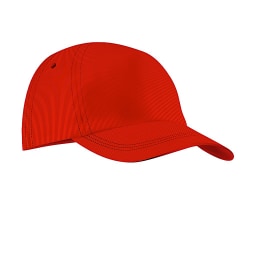
- Photographic Meaning Anchors: Match every word immediately to its clear photo (e.g., baseball cap vs. police officer vs. bear cub), cementing the connection between decoding and comprehension.
Common Short A, O, and U Decoding Challenges
- Initial-Letter Glancing: When words share the same initial consonant (c- or m-), impulsive decoders guess based on the onset. Shared-onset triplets compel students to scan through the medial vowel.
- Dialect and Merger Confusion: In regions where the cot-caught or father-bother sounds overlap, acoustic distinction can feel subtle. Kinesthetic lip-rounding checks (round o vs. flat a vs. neutral u) provide reliable anchors.
- Visual Letter Reversals and Slips: Emerging readers sometimes misread the letter shape a for o or u if letter formation has not been fully automatized. Handwriting and tracing exercises reinforce accurate recognition.
Five-Minute Lesson Routine for Centers or Small Groups
- Minute 1: Articulatory Warm-Up: Practice the 2 contrast triplets (cap/cop/cub and map/mop/mug) using echo reading and tactile mouth checks.
- Minutes 2–3: Digital Games: Open Bitsboard for Photo Touch and Letter Match, testing rapid auditory discrimination and vowel selection.
- Minutes 4–5: Printable Worksheet Practice: Complete the Trace and Write or Draw and Match page from the printable CVC short a o u review worksheet pack.
Short A, Short O, And Short U Word List
Use these words across the games and printable worksheet so learners repeat the same sound pattern in multiple ways.
| Word | Target sound | Practice cue |
|---|---|---|
| cap | a | Say cap, stretch the sounds, then read the whole word. |
| cop | o | Say cop, stretch the sounds, then read the whole word. |
| cub | u | Say cub, stretch the sounds, then read the whole word. |
| map | a | Say map, stretch the sounds, then read the whole word. |
| mop | o | Say mop, stretch the sounds, then read the whole word. |
| mug | u | Say mug, stretch the sounds, then read the whole word. |
Interactive phonics games
Play through the same practice words with picture cards, photo matching, quiz questions, and missing-letter practice.
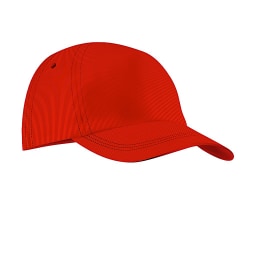
cap
Tap card to see the picture again.
Common questions
Why do early readers confuse short a, short o, and short u?
Short a (/æ/), short o (/ɒ/), and short u (/ʌ/) are all open or lax vowels produced with an open jaw or low tongue posture. Emerging readers who scan the initial consonant and guess often confuse the middle letter unless taught explicit mouth shape contrasts between the wide flat smile of short a, the open rounded oval of short o, and the relaxed neutral mouth of short u.
How can children physically feel the difference between short a, short o, and short u?
Use the "Chin Drop, Oval O, and Gentle Sigh" check. For short a (cap, map), the jaw drops wide while the tongue stays forward. For short o (cop, mop), the lips form an open rounded oval. For short u (cub, mug), the jaw and lips relax completely, releasing a low neutral sigh sound (/ʌ/).
What word pairs are included in this review lesson?
This lesson features two matching-onset contrast triplets—cap/cop/cub and map/mop/mug—paired with real photographic cards to stop initial-consonant guessing and isolate the medial vowel sound.
Is the printable worksheet free to download?
Yes, the 4-page PDF worksheet pack is completely free and includes picture word cards, missing-vowel letter matching, handwriting trace-and-write lines, and picture-to-word drawing matches.
Start Learning with Bitsboard
Unlock over 30 interactive mini-games, thousands of pre-made learning boards, and the power to fully customize your own lessons. Perfect for toddlers, students, educators, and speech therapists!
Download on the
App Store